“It’s a spectacular production”: LIPA production alum joins Stranger Things: The First Shadow
Friday 08 May 2026
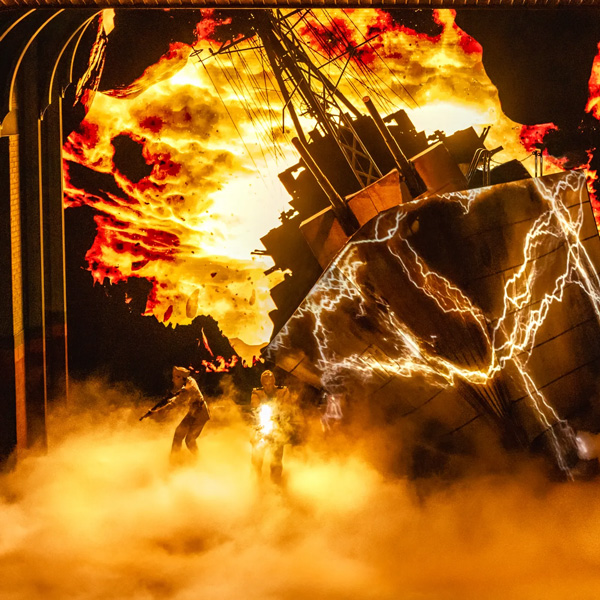
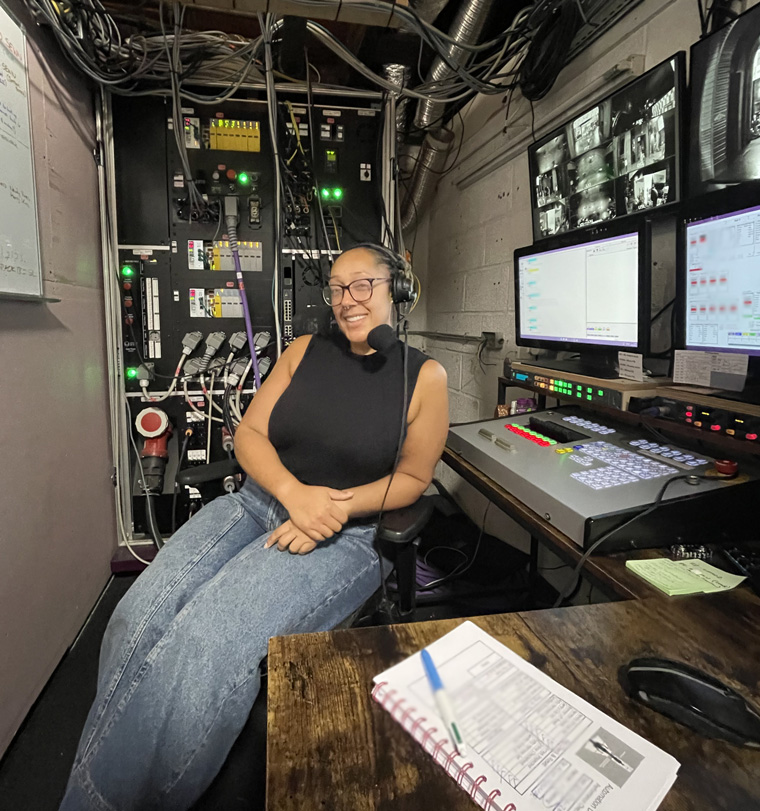
Adannae Okeke graduated from our Theatre & Production Technology programme in July 2025. Since January 2026, she's been working as Automation Number 3 on Stranger Things: The First Shadow in London's West End. We caught up with Adannae to find out more about this role.
What does your role on Stranger Things: The First Shadow involve?
As one of the most technically ambitious productions in the West End, the show incorporates an extensive automation infrastructure, comprising approximately 90+ axes, winches, trap door lifts, pneumatics and a wide range of integrated motion-control systems. My role is multifaceted, encompassing the inspection, maintenance, and operation of all automation equipment, alongside oversight of the automation control desk and show-critical cue execution.
Working with highly technical elements such as heavy scenic components, complex special effects, performer flying systems, and deck track plots, the position demands exceptional focus, discipline, and technical proficiency across a schedule of eight performances per week, in addition to rehearsals.
Every automated movement must be executed with absolute precision, often in direct synchronisation with lighting, sound, performers, and stage management cues. In a live theatrical environment, even the smallest delay or inaccuracy can have an immediate impact on the rhythm, safety, and overall delivery of the performance.
How did you feel when you landed the job?
I remember getting the call from the Production Assistant like it was yesterday. My first reaction was, “Are you sure you’ve dialled the right number?” I genuinely couldn’t believe it. Knowing the scale of the role, and the level of competition I was up against, it brought an overwhelming sense of pride, achievement and pure excitement.
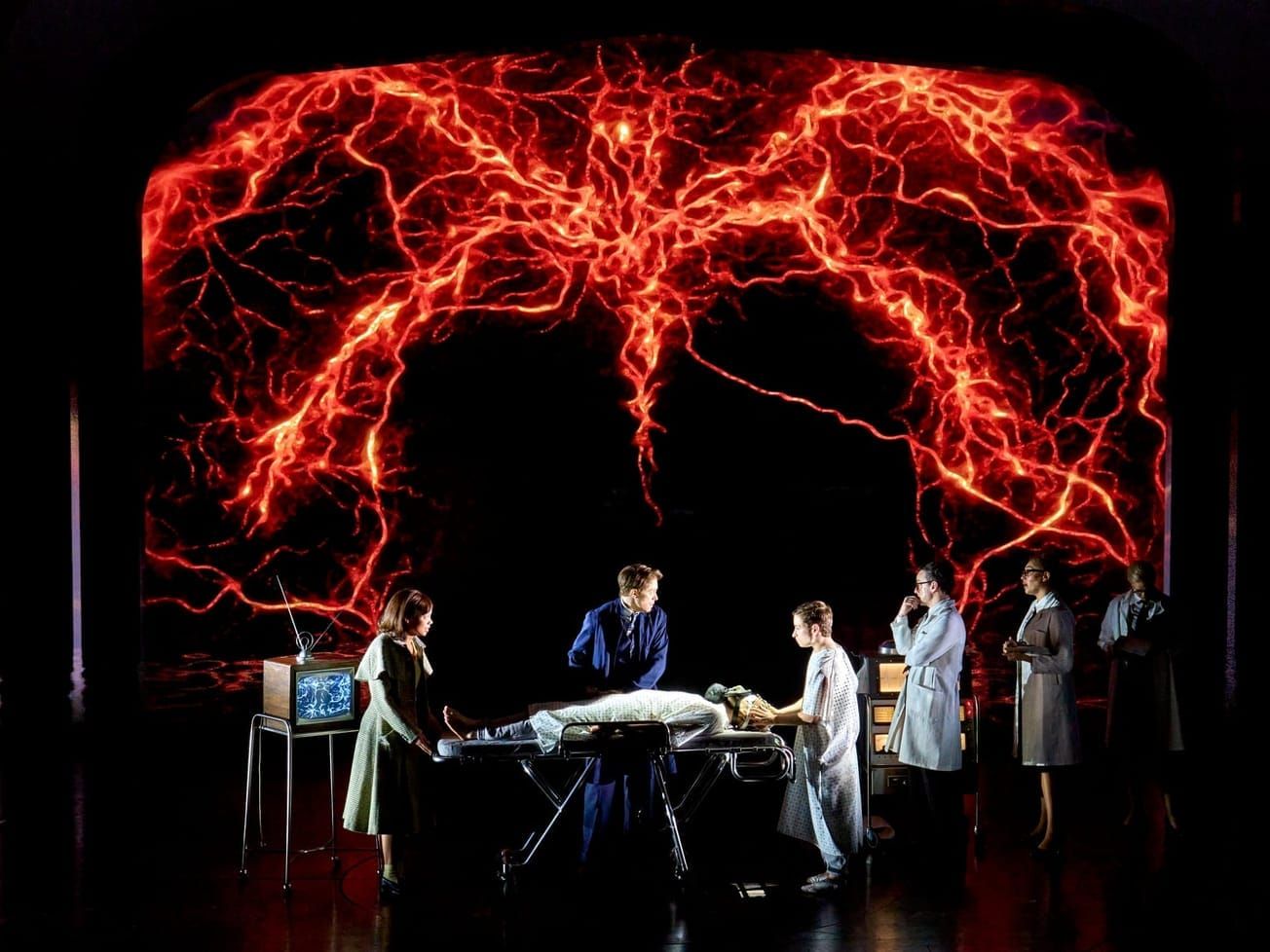
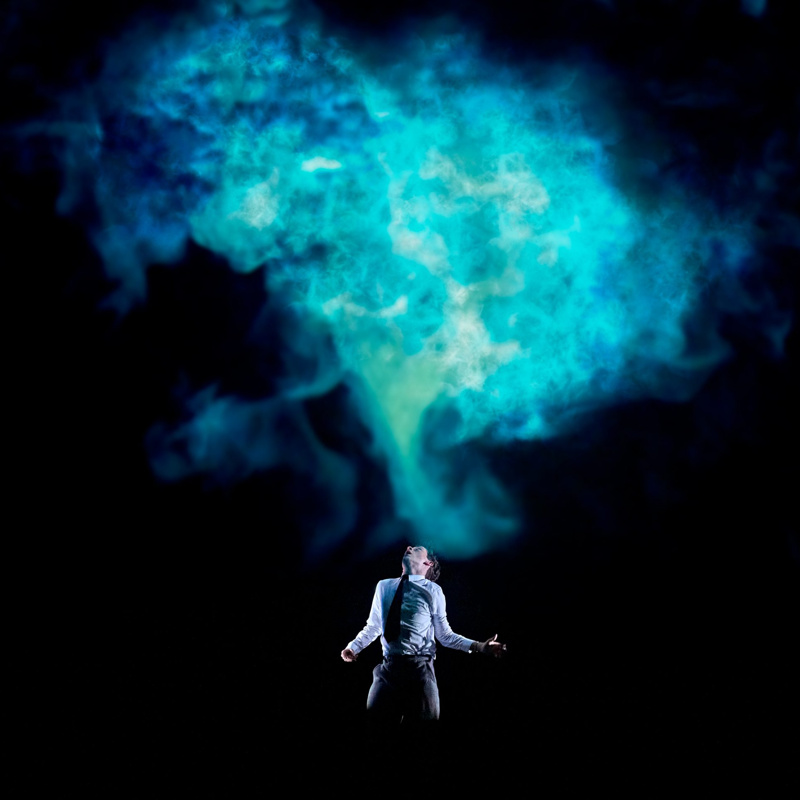
I was already a big fan of the show. I’d seen the original cast and remembered leaving the Phoenix Theatre full of questions—how did they do that? What did I just watch? And then immediately, how did they do that again? It’s a spectacular production, packed with special effects, incredible lighting, and an exceptionally talented cast.
What's the most challenging part of the production for you?
Operating the automation desk demands the right frame of mind—focus and concentration are absolutely essential. It’s not simply about pressing buttons; anyone can learn that. It’s about understanding the bigger picture: what’s being moved, where it’s going (it’s targets and positions), and what comes next. You need to be aware of which cast members are involved, how many elements are in motion at any given time, and which cameras to follow. At the same time, you’re listening for cues from the DSM while also responding to instructions from the automation plot and stage management. It’s multitasking at its absolute finest.
What was the most important thing you learnt at LIPA and how has that helped you since graduating?
One of the most important things I learnt at LIPA was how to be proactive and make the most of every opportunity. The course itself gave me a strong foundation in theatre and performance technology, and specialising in stage management taught me discipline, organisation, and how to stay calm under pressure—skills that are essential in the industry.
Alongside my studies, I made a conscious decision to use my free time constructively. I was working full-time while training, which was challenging, but it proved invaluable. It allowed me to start building connections early, gain real-world experience, and develop professional relationships within the industry. That balance of academic learning and hands-on work meant I graduated not only with a degree, but with practical knowledge and a network I could draw on.
Since graduating, those habits and skills have carried directly into my career in the West End. Stage management demands adaptability, clear communication, and trust within a team, and LIPA really instilled that mindset in me. Now working in Automation those skills are highly adaptable and are great qualities to have amongst my colleagues. More than anything, it taught me that your work ethic and willingness to go the extra mile can open doors—and that’s something I’ve continued to rely on every step of the way.
What are your plans for the future?
I’m currently fully committed to Stranger Things through to 2027, which gives me a fantastic opportunity to continue developing my skills and deepening my experience. During this time, I’m currently working as an Automation Number 3 and will continue in this role for a while before furthering into a Deputy Automation role, building on the technical knowledge and responsibility that comes with operating at this level. That said, I like to keep an open mind—the industry is full of possibilities, and I’m excited to see where it might lead.
One of the aspects I value most is the ability to multi-role across automation and stage management, as it gives me a broader understanding of the production. However, automation has very quickly become a real passion of mine. There’s something incredibly rewarding about being part of moments that feel truly magical—whether that’s moving large-scale set pieces seamlessly or quite literally suspending a performer in mid-air and making it appear effortless to an audience. My introduction to this side of the work began with collaborating with flying specialists, including Flying by Foy (FOYs), which sparked a real interest in the technical artistry behind flight. I’d love to continue developing in that area and take on more work involving flying effects in the future. Who knows—one day I could even see myself moving into a Flying Director role, combining creative vision with technical precision. It’s an exciting path, and one I’d be keen to explore further.
Find out more about our Theatre & Production Technology course