Aishwarya Raut: “Taking that leap into creating something of my own"
Wednesday 16 September 2026
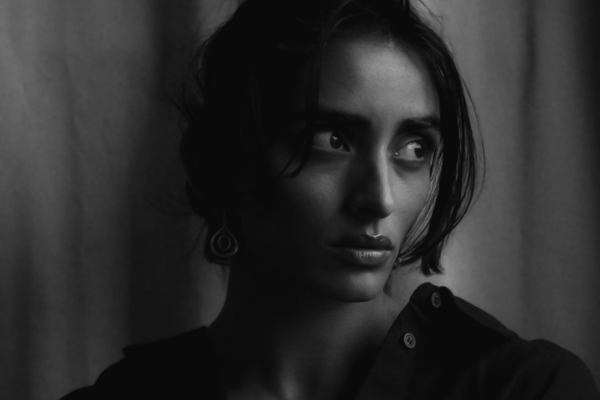
After performing with some of the world’s leading dance companies, Aishwarya Raut (Dance, 2017) is taking her career in a new direction – creating work of her own while continuing to perform as an independent artist.
With credits including Akram Khan Company, GöteborgsOperans Danskompani and Rambert, Aishwarya has built an impressive career as both a performer and choreographer. Her latest work, Nadī, explores female spirits, land and resistance, drawing inspiration from the ghost stories she heard growing up.
As part of our 30th anniversary celebrations, we caught up with Aishwarya to talk about Nadī, her memories of LIPA and her plans to launch a new dance collective.
You have choreographed a contemporary duet called Nadī with Antonello Sangirardi, can you tell us a bit more about that and what it means to you?
Nadī means river in Marathi, my mother tongue. It is a contemporary duet I choreographed with Antonello Sangirardi, inspired by the ghost stories I heard growing up. I wanted to revisit and deconstruct these stories, particularly the ways in which female spirits were portrayed, while looking at the wider social context behind them especially land-grabbing practices that have historically targeted vulnerable women.
The work became a way of imagining these female spirits not simply as ghosts or figures to be feared, but as symbols of resistance, strength and deep devotion to their land. I was interested in the connection between these women and the rivers, landscapes and natural environments that surround them and in drawing parallels between the fluidity and persistence of a river and the spirit of a woman carving out and holding her own space within a rigid society. There is both grace and rage in that navigation, and I wanted the duet to hold space for both. In many ways, the work is an acknowledgement and an act of respect towards these women, their stories and their relationship to the land.
You have worked with some of the world’s most prestigious dance companies, what's been the highlight of your career so far?
It’s difficult to pick just one experience. I’ve been incredibly fortunate to perform some amazing work and to learn from such a diverse range of artists and creative environments throughout my career.
I would say, though, that performing for different audiences around the world is always a highlight for me. There’s something very special about entering a new space and sharing your movement with people. Being able to travel, encounter different cultures and spaces, and communicate through movement with people from such varied backgrounds has been one of the most rewarding parts of my career. I think those moments of connection are what I value most.
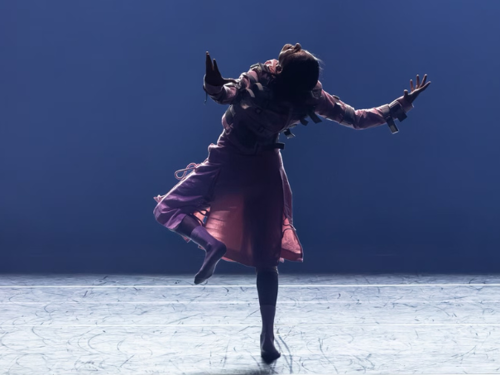
Throughout your career you have earned National Dance Awards UK nominations for Best Female Dancer in 2024 and Outstanding Female Modern Performance in 2025. How did it feel to receive these nominations?
It felt good to be recognised. I’ve had a somewhat non-traditional path and training into dance, so being recognised in a setting like the National Dance Awards was never something that was really on my radar. When the nominations happened, I was genuinely surprised and, of course, very pleased.
It’s always meaningful to have your work acknowledged, but I also find the idea of awards in dance, as with most art forms, quite interesting. Dance is such a collaborative art form, and I’ve been incredibly fortunate to work alongside and dance with some beautiful artists. The work we create is never solely one person’s achievement, we all contribute to the piece in different ways. I see my nominations as a reflection of the people, artists and creative teams I’ve had the privilege of working with.
What were your first impressions of Liverpool and how long did it take you to feel at home?
It was a real culture shock when I first moved to the UK, although I don’t think I fully realised just how much of a change it was until about a month in. Liverpool has a warmth and character that made it a special place to live. What really made it feel like home, though, were the people I met at LIPA. The friendships and connections I made there became like family, and having that sense of community made such a huge difference. I think it was through those relationships, more than anything else, that Liverpool started to feel like home.
What's your favourite memory from LIPA?
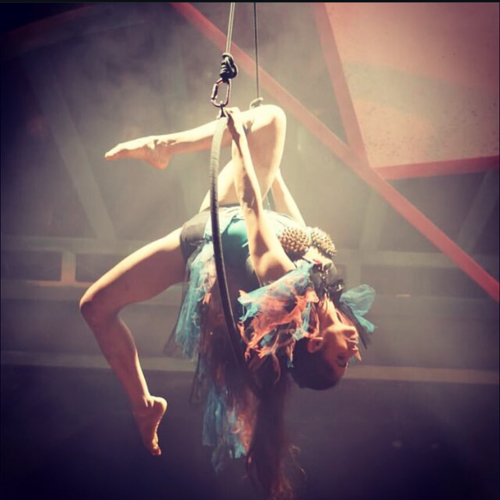
I have many favourite memories from LIPA, but one that really stays with me is our second-year dance show, when we performed Moulin Rouge.
What's next for you?
I’m stepping into a new chapter of my career, moving more into choreography while continuing to perform as an independent artist, after having spent much of my career working within full-time companies. My partner and I are also in the process of setting up a dance collective, with the intention of creating and working across the UK, Europe, North America and Asia. It feels like an exciting time; I’m finally taking that leap into creating something of my own.
There’s a lot of unknowns, which is exciting. I’m looking forward to seeing what we can build, the artists we can collaborate with, and where this next chapter takes us.